

When selecting an ion chromatography instrument, you need to focus on critical specifications to guarantee accurate results. Sensitivity, resolution, and throughput are essential for effective analysis. Evaluating detection limits and calibration methods can greatly impact your outcomes ion chromatography instrument. Additionally, understanding the system types may influence the complexity of your work. As you navigate these factors, budget considerations will also play a considerable role in your decision-making process. What factors will weigh most heavily on your choice?
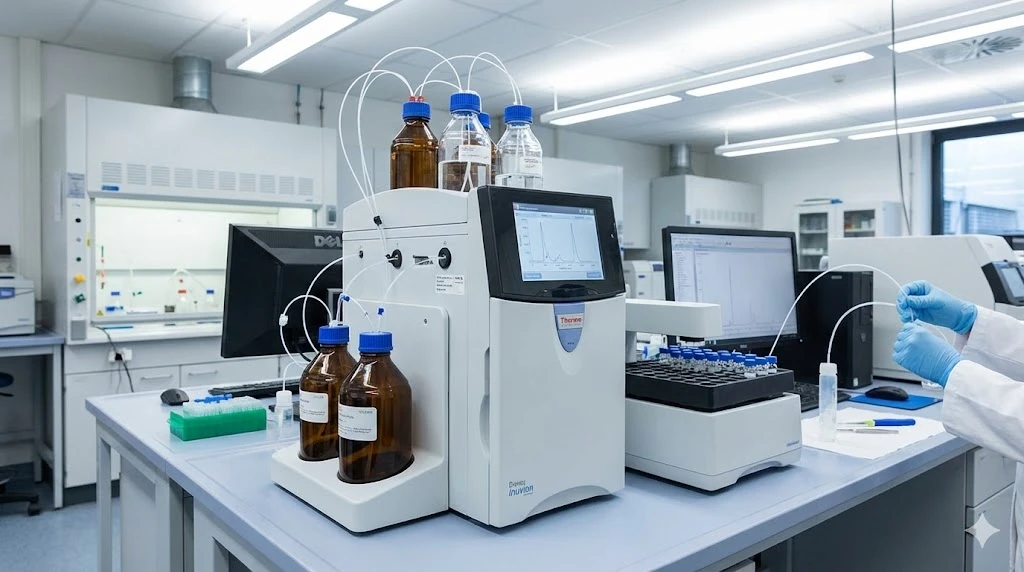
Understanding Ion Chromatography Basics
While you may be familiar with various analytical techniques, understanding the fundamentals of ion chromatography (IC) is vital for effective application.
IC utilizes ion exchange to separate ions and polar molecules based on their charge. This technique involves passing a sample through a column filled with resin, which selectively retains ions while allowing others to elute.
Proper sample preparation is paramount; you need to guarantee that your samples are free from contaminants and appropriately diluted https://laballiance.com.my/. This process often includes filtration and pH adjustment to optimize ion interaction with the stationary phase.
Key Specifications to Evaluate
When selecting an ion chromatography instrument, you need to evaluate several key specifications that directly impact performance and suitability for your applications.
Focus on these critical aspects:
- Sensitivity: Assess the instrument’s ability to detect low concentrations of ions, which affects detection limits.
- Resolution: Check how well the instrument separates ions, as higher resolution leads to more accurate results.
- Throughput: Consider the sample processing speed, which can enhance lab efficiency and productivity.
- Ease of Use: Review user interfaces and software; user-friendly designs can greatly reduce training time and errors.
Furthermore, consult performance metrics and user reviews to gain insights on reliability and overall satisfaction.
These specifications will guide you in making an informed decision.
Types of Ion Chromatography Instruments
There are several types of ion chromatography instruments designed to meet various analytical needs and applications.
The most common instrument types include gradient and isocratic systems, which differ in how they elute ions from the column. Gradient systems allow for varying concentrations of eluent, enhancing separation efficiency for complex samples. In contrast, isocratic systems maintain a constant eluent composition, providing simplicity and reliability for routine analyses.
Additionally, you’ll find ion chromatography systems equipped with conductivity detectors, UV detectors, or mass spectrometry interfaces, each tailored for specific analytical applications.
Selecting the right instrument type depends on your sample matrix, the required sensitivity, and the desired throughput for your laboratory work.
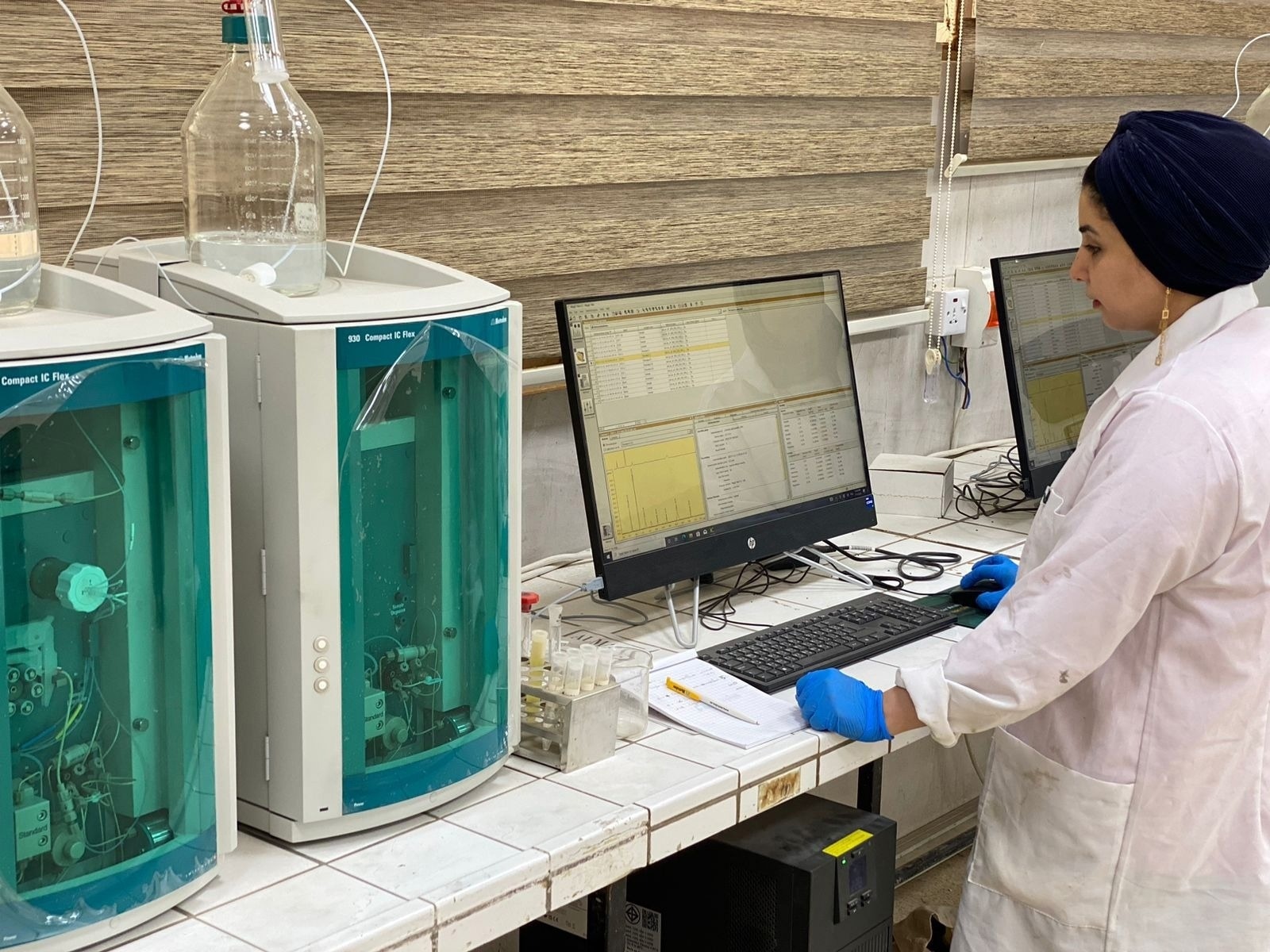
Assessing Sensitivity and Detection Limits
To effectively select an ion chromatography instrument, you must assess its sensitivity and detection limits, as these factors directly influence the accuracy of your analytical results.
Consider the following aspects:
- Detection Thresholds: Evaluate how low the instrument can detect analytes without interference.
- Sensitivity Calibration: Guarantee the instrument offers robust sensitivity calibration to maintain accuracy across different conditions.
- Response Factors: Check the linearity of response over the concentration range of interest.
- Limit of Detection (LOD): Assess the LOD to determine the minimum amount of analyte needed for reliable identification.
Importance of Software and Data Management
While selecting an ion chromatography instrument, understanding the importance of software and data management is essential for achieving reliable results.
Effective software integration facilitates seamless communication between your ion chromatography system and other laboratory equipment. This integration allows for streamlined workflows and enhanced data accuracy.
Additionally, robust data visualization tools enable you to interpret complex data sets efficiently, making it easier to identify trends and anomalies in your results.
A well-designed software platform not only improves data management but also guarantees compliance with regulatory standards.
Budget Considerations and Cost-Effectiveness
Selecting the right ion chromatography instrument involves not just technical specifications and software capabilities but also a careful assessment of budget considerations and cost-effectiveness.
Conducting a thorough cost analysis guarantees you make informed decisions. Here are four key factors to take into account:
- Initial Purchase Price: Evaluate your budget for upfront costs.
- Maintenance Expenses: Factor in ongoing service and repair costs.
- Consumables: Assess the cost of reagents and other necessary materials.
- Equipment Longevity: Choose instruments known for durability to maximize long-term value.
Conclusion
To summarize, selecting the best ion chromatography instrument for your lab requires a thorough evaluation of specifications such as sensitivity, resolution, and throughput. Consider the types of systems available, their calibration capabilities, and software for data management. By weighing these factors against your budget, you can make an informed, cost-effective choice that guarantees reliable results. Ultimately, aligning your instrument selection with your specific analytical needs will enhance the accuracy and efficiency of your laboratory work.